

Creating a warm interior isn’t about following trends blindly it’s about designing a space that feels welcoming, comfortable, and emotionally grounding. Designers know that warmth comes from a thoughtful balance of colors, textures, lighting, and personal details. Whether you live in a small apartment or a spacious home, these designer-approved tricks will help you transform any room into a cozy, inviting haven.
If you’ve ever wondered why some homes instantly feel comfortable while others feel cold and unfinished, the secret lies in these subtle yet powerful interior design choices.
1. Start with a Warm Color Foundation
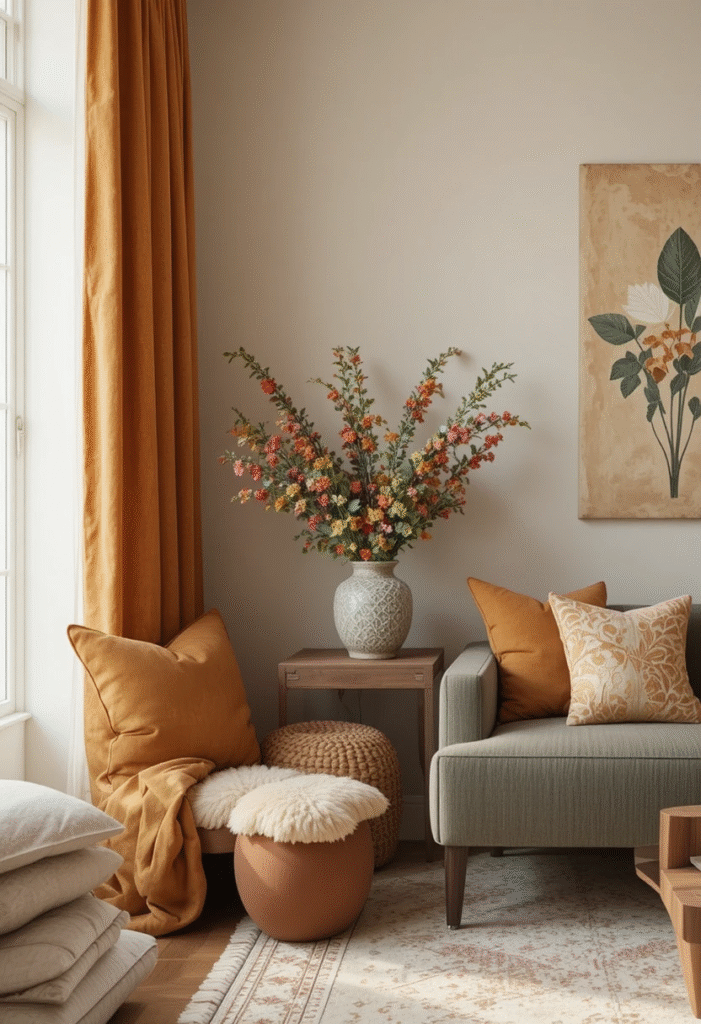
Color is the fastest way to influence how a space feels. Warm interiors often rely on earthy, comforting shades like beige, taupe, terracotta, soft browns, warm whites, and muted greens.
Instead of stark white walls, designers prefer creamy off-whites or light sand tones. These shades reflect light gently and create a soothing base. Accent walls in warm neutrals or clay-inspired hues add depth without overwhelming the room.
For more inspiration on how color transforms a space, explore this guide on warm interiors that explains how tonal layering creates instant comfort.
2. Layer Textures Like a Designer
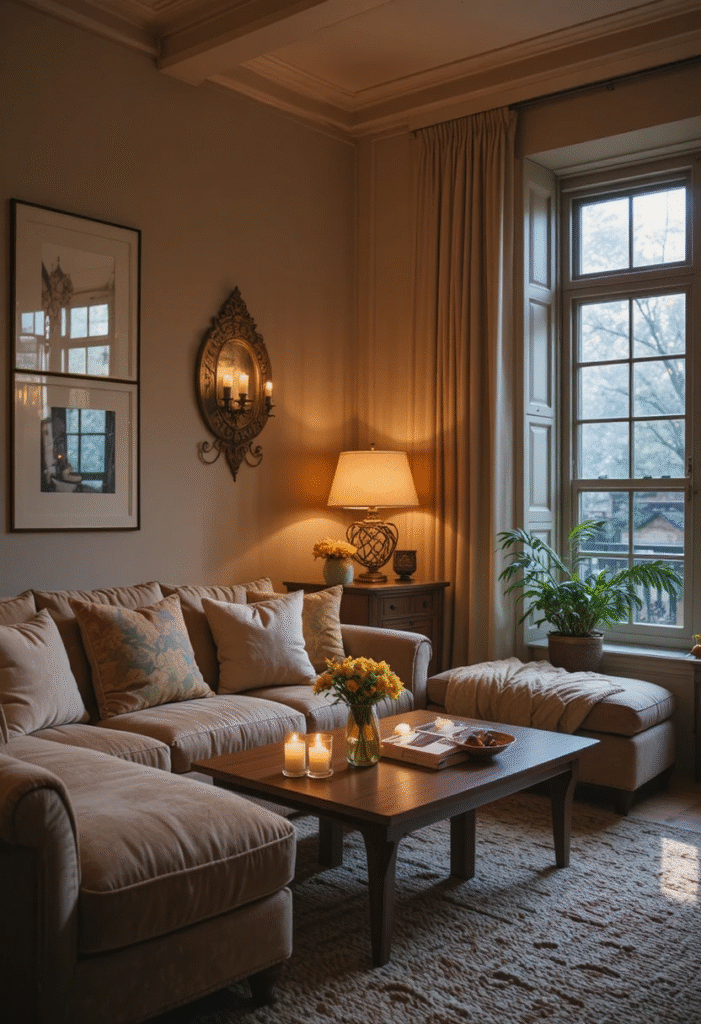
One common mistake is relying on flat surfaces alone. Designers know that warmth comes from texture layering. Mixing materials such as wood, linen, wool, leather, ceramic, and rattan makes a room feel lived-in and cozy.
Think plush cushions on a fabric sofa, a chunky knit throw draped casually, woven baskets for storage, and textured rugs underfoot. Even subtle details like textured wall art or handmade pottery add visual warmth.
Creating layered textures is especially effective when designing a cozy corner—a small area dedicated to comfort and relaxation.
3. Use Lighting to Set the Mood
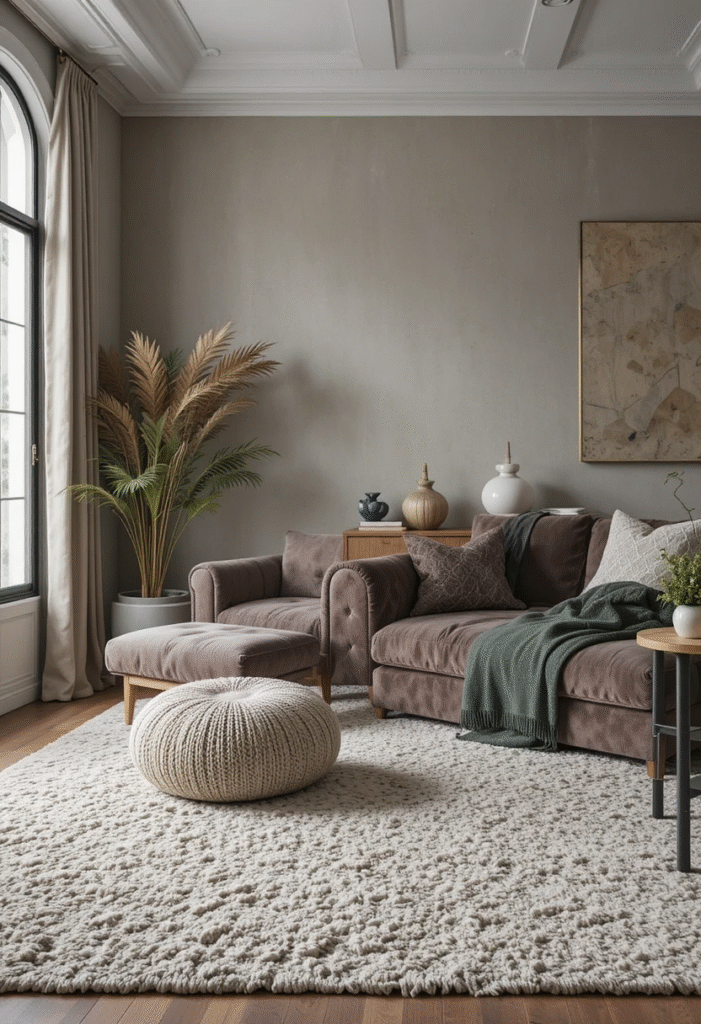
Lighting can make or break a warm interior. Designers avoid harsh white lighting and instead use warm-toned bulbs (2700K–3000K) to create a soft glow.
The key is layered lighting:
- Ambient lighting for overall illumination
- Task lighting for functionality
- Accent lighting to highlight décor
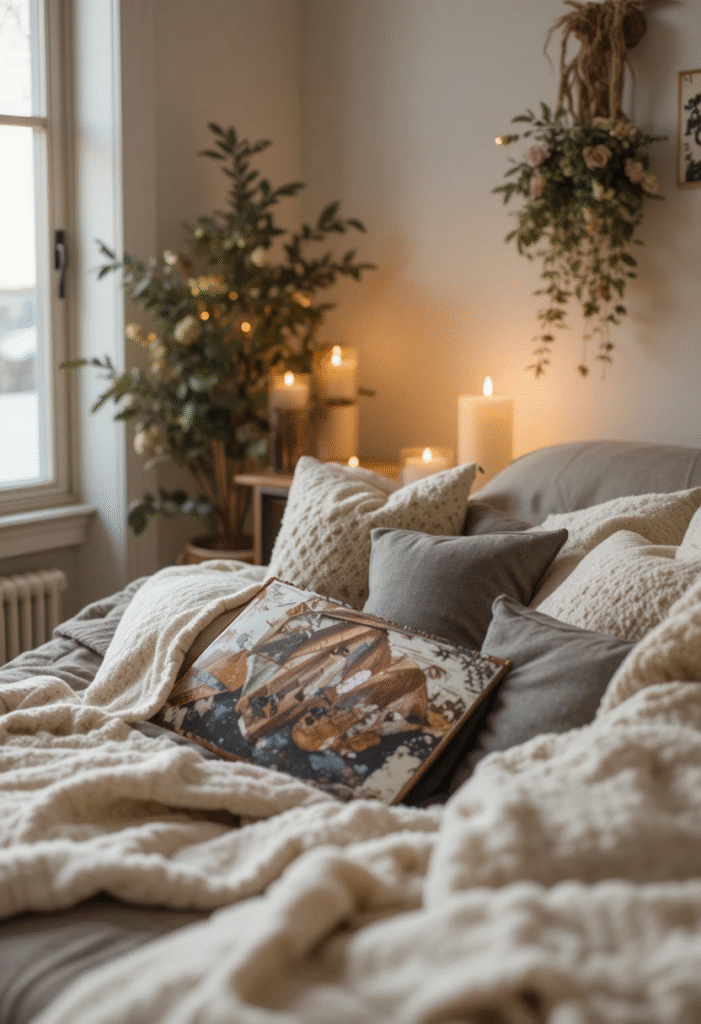
Table lamps, floor lamps, and wall sconces instantly make a room feel more inviting than a single overhead light. Candles and fairy lights also add a subtle warmth, especially in the evenings.
If you want your home to feel welcoming the moment you walk in, check out ideas that help your home cozy instantly through lighting and décor choices.
4. Bring in Natural Materials
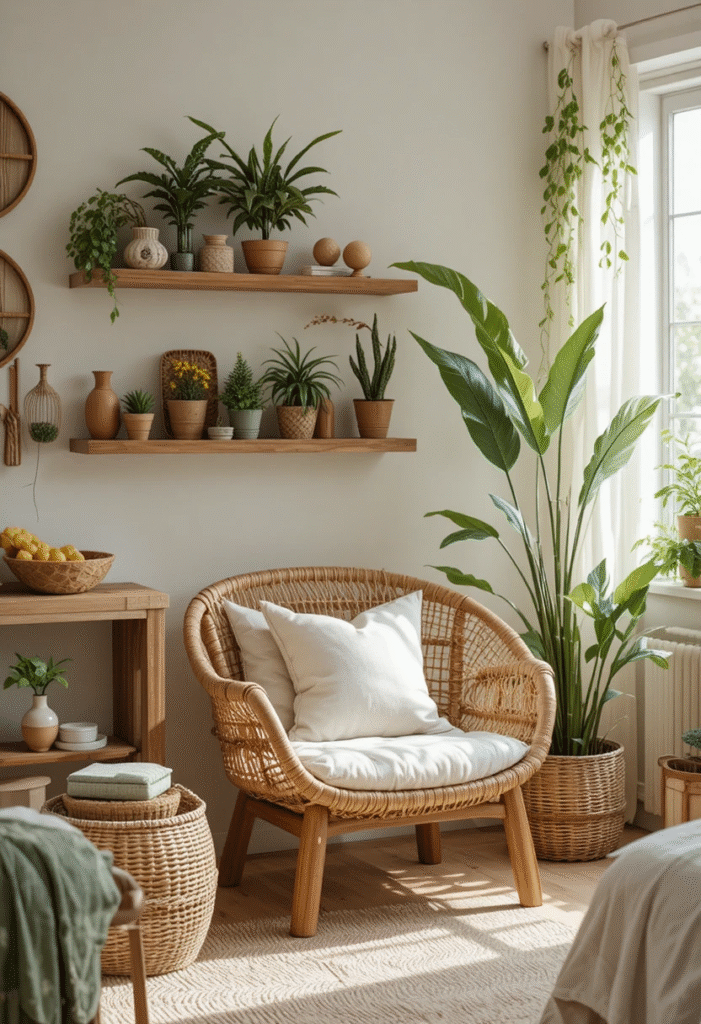
Designers consistently turn to nature-inspired elements to add warmth. Wood, stone, jute, bamboo, and clay naturally soften a space and make it feel grounded.
Wood furniture with visible grain, wooden ceiling beams, or even simple wooden trays can dramatically change the mood of a room. Natural materials age beautifully and add character over time, which is why they’re essential in warm interior design.
You’ll notice that many turned warm and inviting spaces rely heavily on organic textures rather than glossy finishes.
5. Choose Furniture with Soft Lines
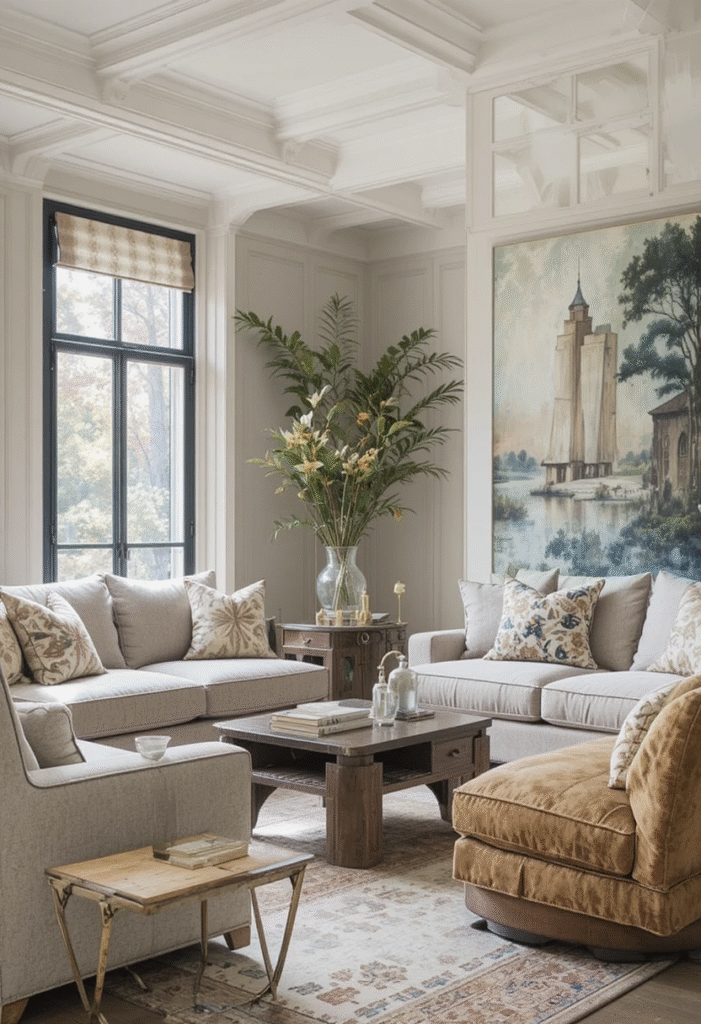
Sharp edges and ultra-modern furniture can feel cold if not balanced correctly. Designers often choose furniture with rounded edges, curved backs, and plush upholstery to add warmth.
A curved sofa, a rounded coffee table, or an upholstered bench instantly softens the visual feel of a room. Even in minimalist homes, adding one or two soft-lined pieces makes a noticeable difference.
This approach works especially well in living rooms and bedrooms, where comfort should always come first.
6. Style with Personal and Meaningful Decor
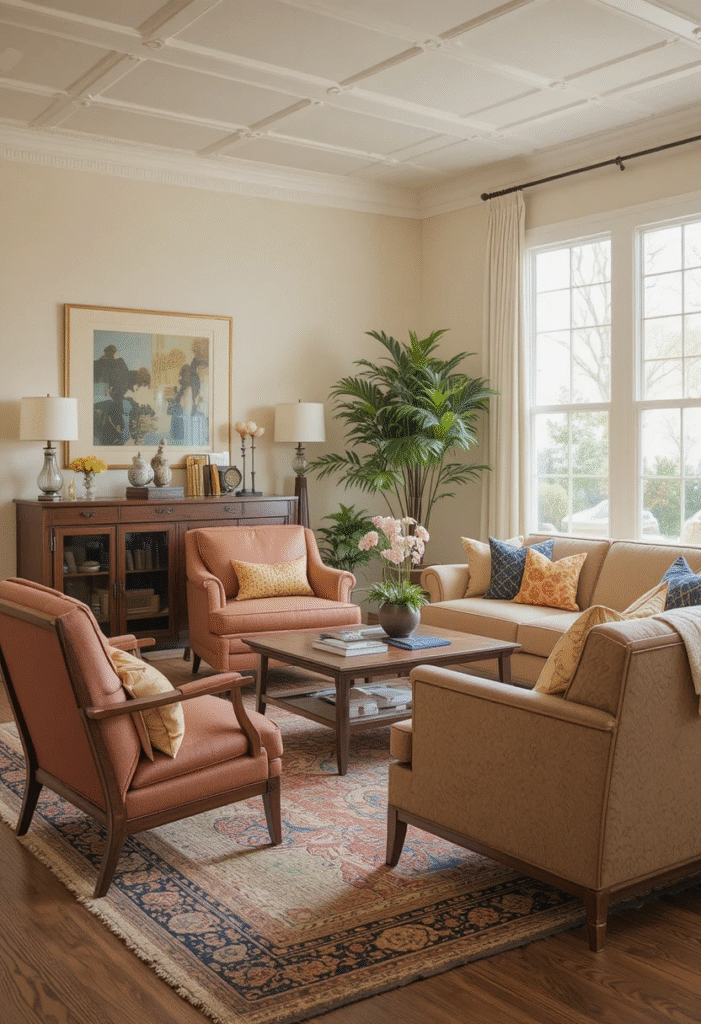
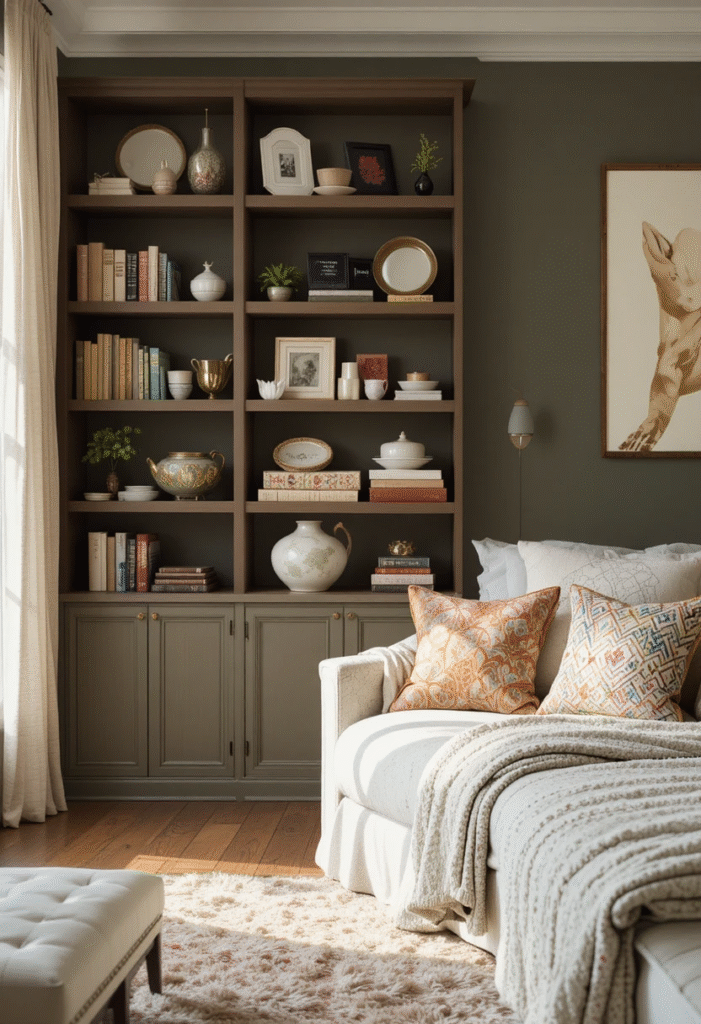
Warm interiors feel personal, not staged. Designers always include items that tell a story family photos, travel souvenirs, books, handmade objects, or artwork with emotional value.
Instead of overcrowding shelves, curate a thoughtful mix of decorative and meaningful items. Group objects in odd numbers and vary heights for a relaxed, designer-style arrangement.
Adding small handcrafted pieces or textiles also complements decoration ideas at home that feel authentic and welcoming.
7. Rugs Are Non-Negotiable for Warmth
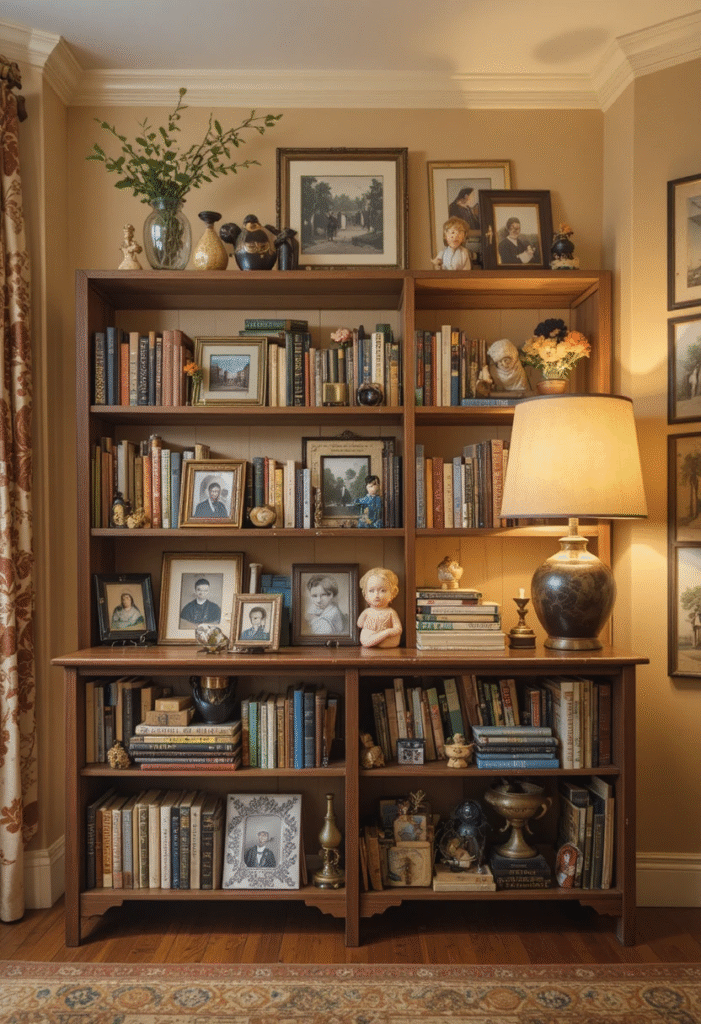
Designers rarely leave floors bare. Rugs anchor furniture and instantly make a space feel cozier. Even layered rugs placing a smaller patterned rug over a neutral base add depth and warmth.
In colder seasons, thicker rugs like wool or shag provide both visual and physical comfort. In warmer climates, flatweave rugs still help define areas and soften hard flooring.
This trick is especially useful when working with small spaces on a budget, as rugs offer a big impact without major renovations.
8. Curtains That Soften the Space
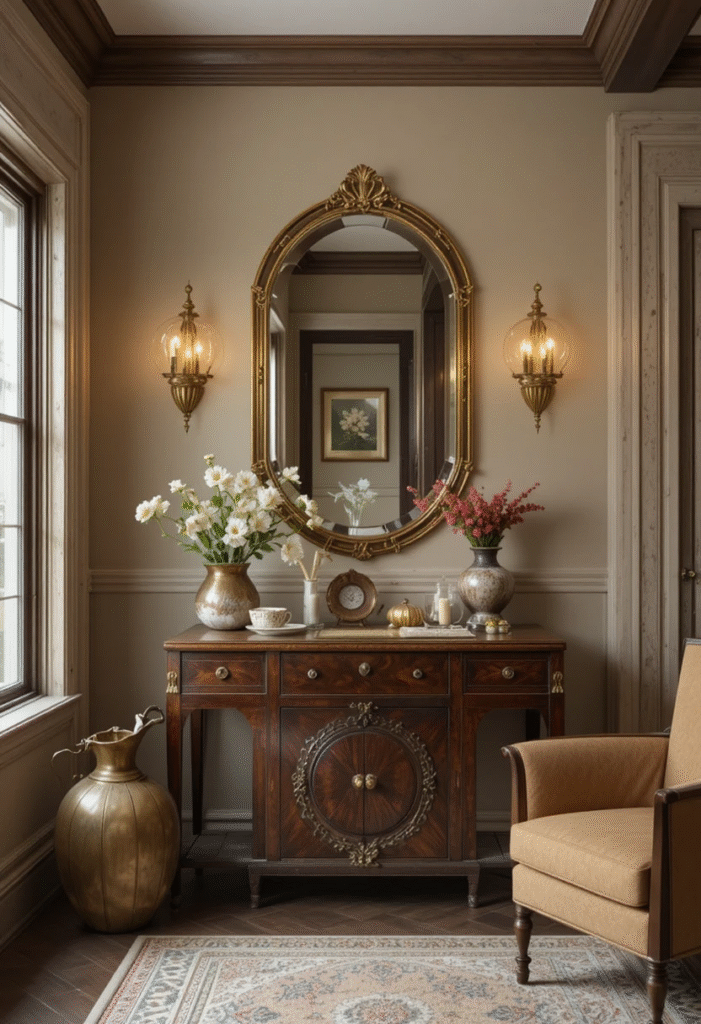
Window treatments play a major role in warm interiors. Designers prefer flowing curtains in linen, cotton, or sheer fabrics over stiff blinds.
Hanging curtains higher and wider than the window frame creates the illusion of taller ceilings and allows more natural light while maintaining softness. Neutral or warm-toned curtains help balance bold furniture or wall colors.
Even in minimal décor styles, curtains add a finishing touch that makes the room feel complete.
9. Create Warmth Through Scent and Sound
While often overlooked, designers consider sensory details essential. Warm interiors appeal to more than just sight.
- Soft background music
- Scented candles with notes of vanilla, amber, or sandalwood
- Natural diffusers with essential oils
These elements subtly enhance comfort and make a home feel truly welcoming, especially when entertaining guests or unwinding after a long day.
10. Repeat Warm Elements for Cohesion
One designer trick is repetition. Repeating warm tones, textures, or materials throughout a home creates visual harmony.
For example, if you use wood accents in the living room, echo them in the bedroom or hallway. If warm neutrals dominate one space, carry them subtly into others through accessories or textiles.
This cohesive approach ties rooms together beautifully, making the entire home feel intentional and comforting rather than disconnected.
11. Balance Warmth with Breathing Space
Warm doesn’t mean cluttered. Designers carefully balance cozy elements with negative space to avoid overwhelming a room.
Leave some walls bare, keep surfaces partially clear, and let each piece breathe. This contrast makes warm details stand out more and keeps the space calm and inviting.
Rooms that strike this balance often become the most loved spaces in a home.
Final Thoughts: Warm Interiors Are About Feeling, Not Just Style
Designer tricks for warm interiors go far beyond trends and expensive décor. They focus on how a space makes you feel safe, relaxed, and at home. By layering textures, choosing warm colors, soft lighting, natural materials, and meaningful décor, you can create interiors that welcome you every day. Whether you’re refreshing a single room or redesigning your entire home, these timeless designer strategies will help you build warmth that lasts. If you want more inspiration, explore related guides on creating inviting spaces, cozy corners, and effortlessly warm interiors across your home.