
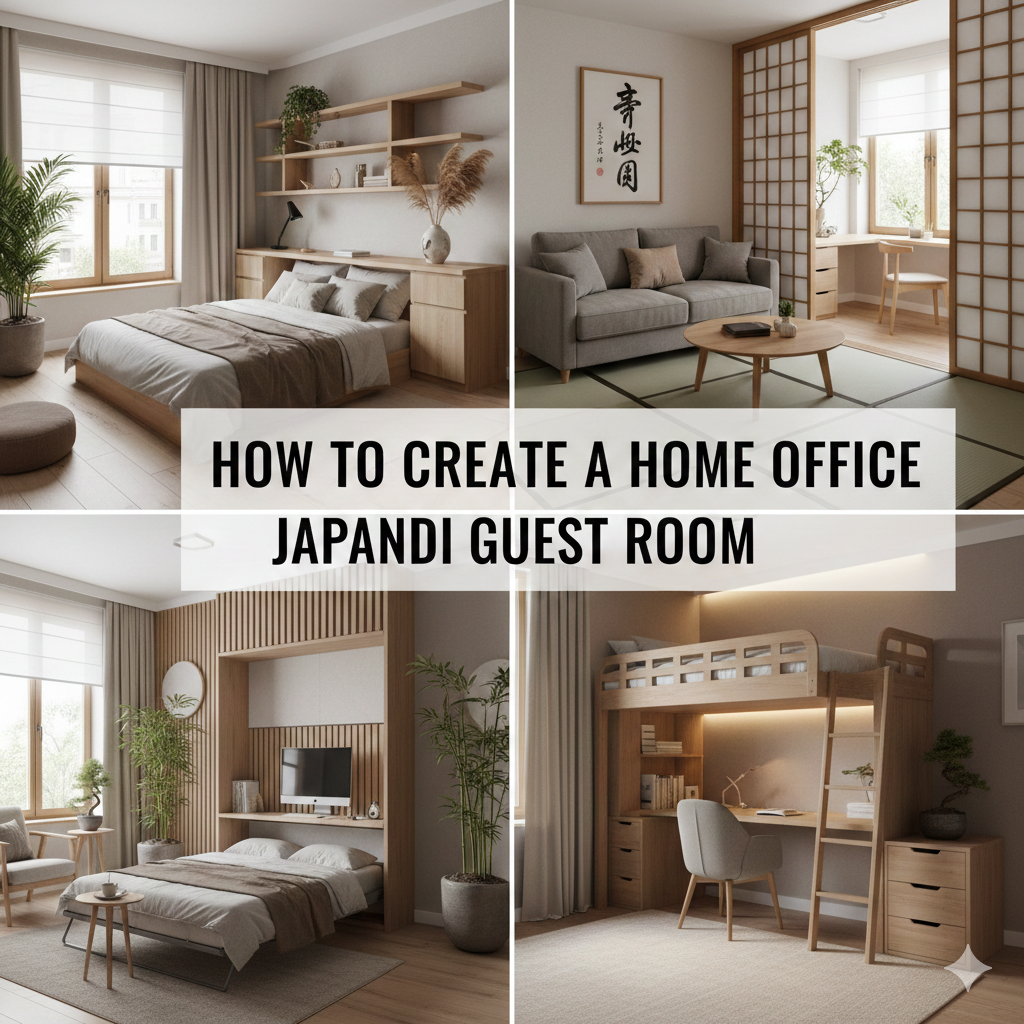
In today’s world, multi-functional spaces are no longer a luxury—they’re a necessity. With more people working from home, the challenge is designing rooms that can serve dual purposes, like a home office and a guest room. The Japandi style—a fusion of Japanese minimalism and Scandinavian functionality—is perfect for this. Clean lines, natural textures, and muted colors create a serene environment, ideal for productivity and relaxation alike.
In this guide, we’ll explore how to create a home office Japandi guest room that balances style, comfort, and functionality. Whether you’re designing from scratch or transforming an existing space, these tips will help you achieve a harmonious and inviting environment.
Understanding Japandi Style for a Guest Room
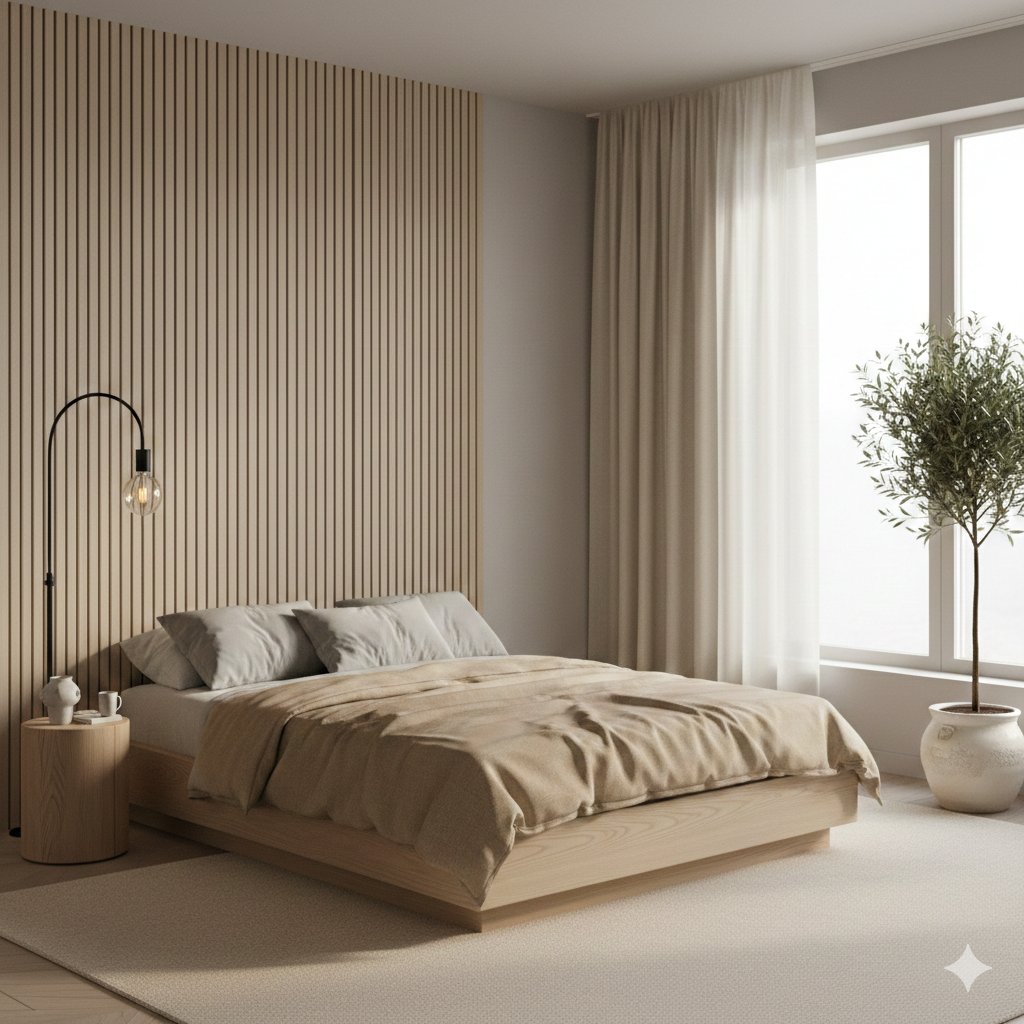
Before diving into design ideas, it’s essential to understand what makes Japandi unique. Japandi combines the warmth and coziness of Scandinavian design with the simplicity and calm of Japanese interiors. This style emphasizes:
- Neutral color palettes: Soft grays, beiges, whites, and muted pastels create a peaceful atmosphere.
- Natural materials: Wood, bamboo, rattan, and linen dominate the space.
- Minimalist furniture: Clean, low-profile furniture enhances the sense of openness.
- Functional design: Every element serves a purpose, reducing clutter while promoting comfort.
For a guest room that doubles as a home office, Japandi design ensures the space feels uncluttered, welcoming, and practical.
For inspiration on Japandi design, check out our full guide on Japandi style.
Step 1: Choosing the Right Furniture
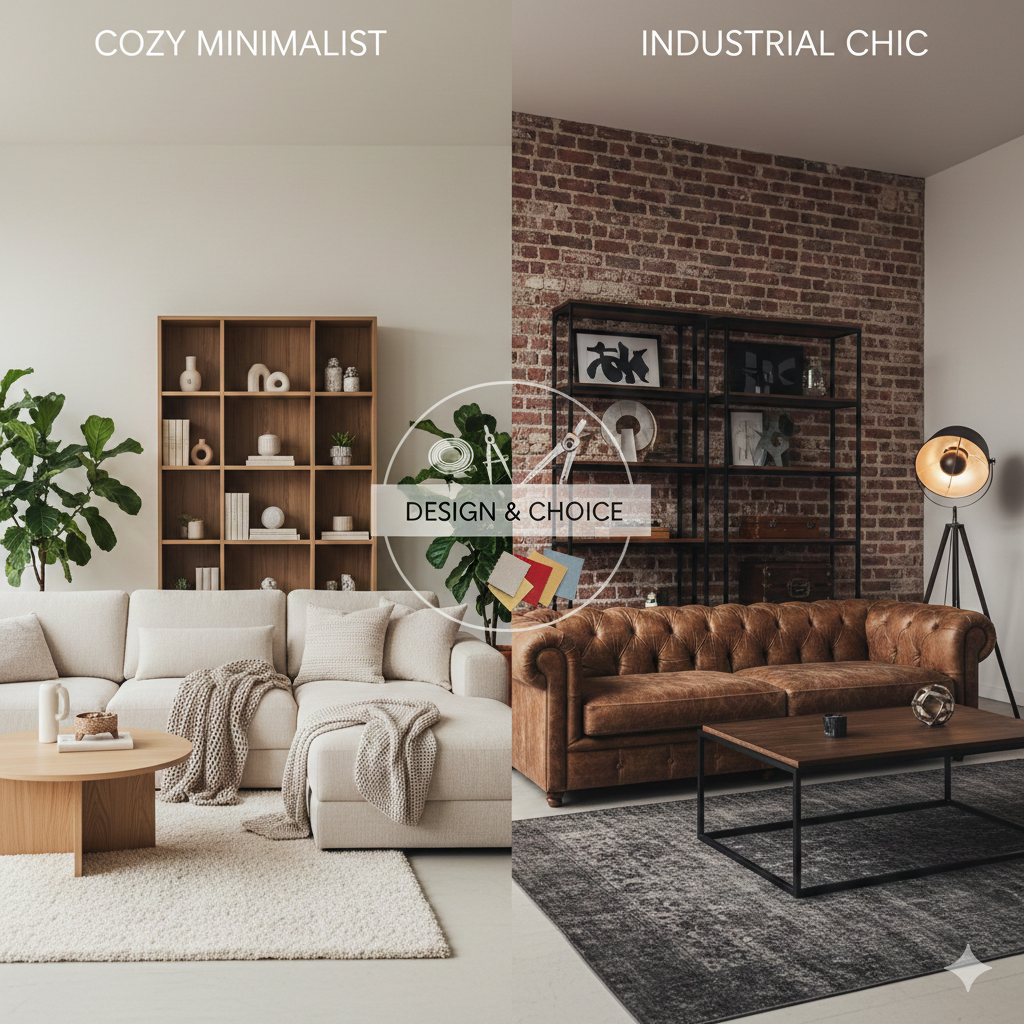
Furniture sets the tone for your space. For a dual-purpose room, choose pieces that offer flexibility without sacrificing aesthetics.
Key Furniture Tips:
- Multi-functional sofa beds: A sleek sofa that transforms into a bed ensures guests can sleep comfortably without dedicating extra space to a bulky bed. Our post on guest room sofas explores the best options for compact spaces.
- Compact desks: Opt for a minimalist desk with clean lines that doesn’t overwhelm the room. Scandinavian-inspired designs with natural wood tones work perfectly.
- Storage solutions: Floating shelves, under-bed drawers, and discreet cabinets help maintain the minimalist vibe while providing ample storage. Consider modular furniture that can adapt to your needs.
Remember, in Japandi design, less is more. Avoid oversized furniture that breaks the visual flow.
Step 2: Establish a Functional Layout
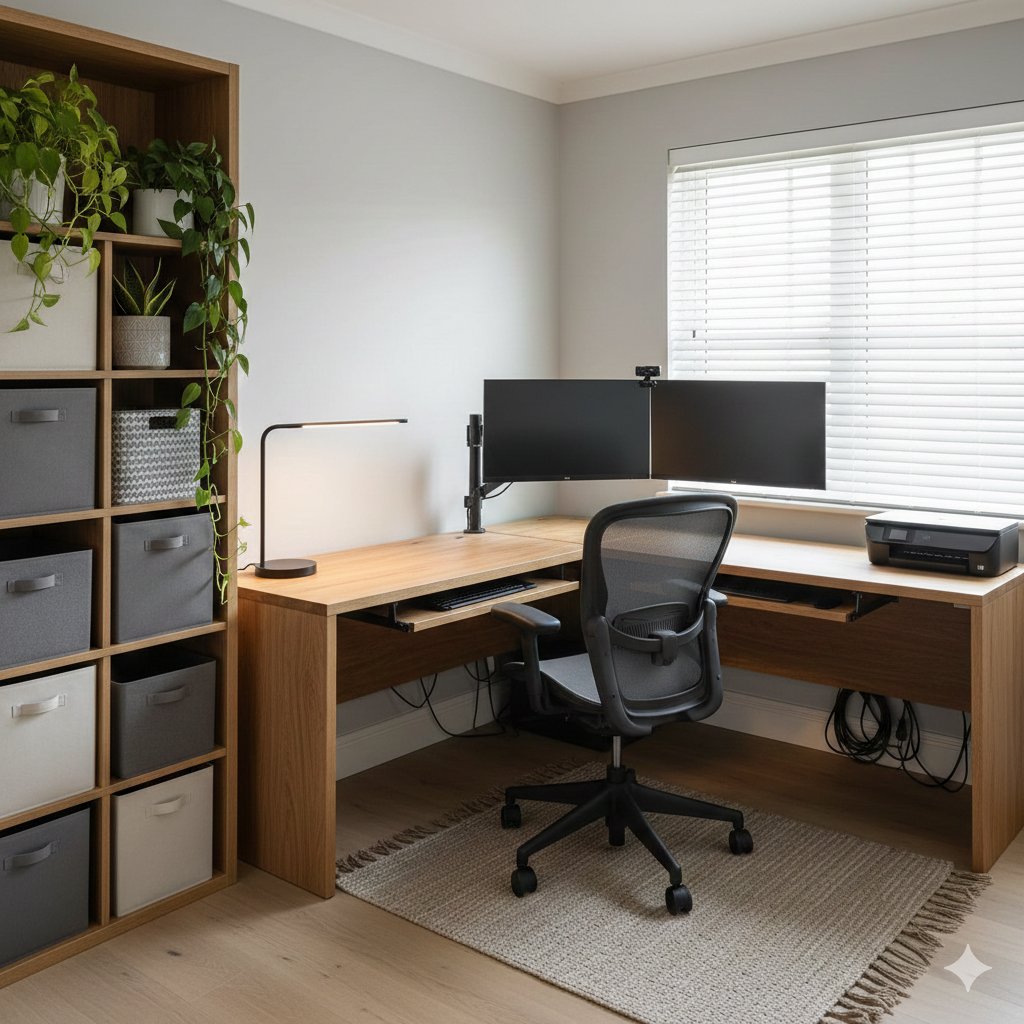
A home office guest room must balance two distinct zones: work and rest. Here’s how to do it:
- Zoning: Use furniture placement to define areas. Position the desk near natural light for productivity, while the bed or sofa occupies the quieter corner.
- Flow and movement: Ensure enough space between zones to move comfortably. Avoid cluttering the room with unnecessary items.
- Dual-purpose surfaces: A foldable desk or a bedside table that doubles as a work station can maximize utility.
For detailed ideas on arranging a home office guest room, refer to our guest room office ideas.
Step 3: Opt for a Neutral Color Palette
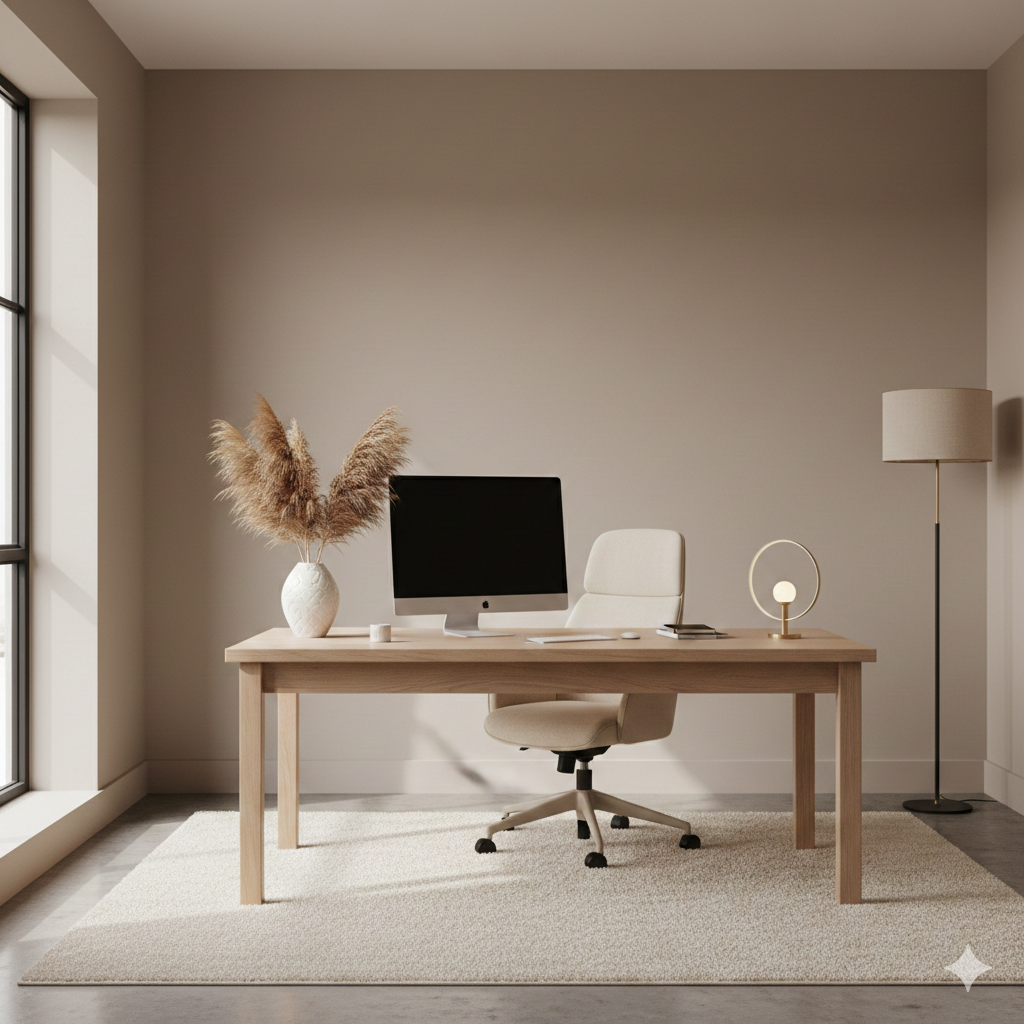
Japandi style thrives on calm, neutral colors. Choosing the right palette is crucial for creating a serene atmosphere that encourages focus and relaxation.
- Walls: Soft white, taupe, or light gray provides a neutral backdrop.
- Furniture: Natural wood tones—like oak or bamboo—bring warmth.
- Accents: Incorporate muted greens or dusty blues through cushions, rugs, or wall art.
For more guidance on harmonizing colors in your space, see our color pairing tips.
Step 4: Embrace Natural Light and Lighting Options
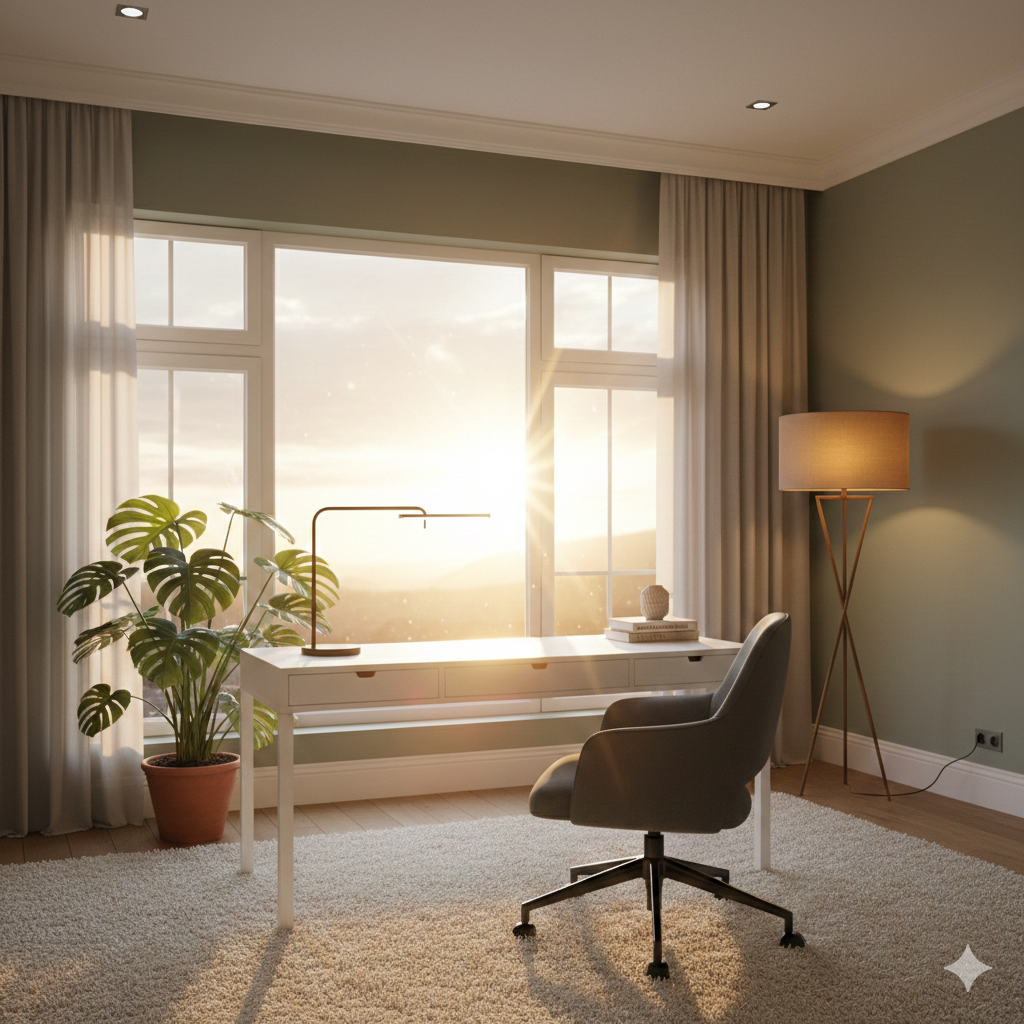
Lighting plays a dual role: it influences productivity and creates ambiance. Japandi interiors favor natural light, but layered lighting ensures functionality during evenings.
Lighting Tips:
- Maximize daylight: Keep windows unobstructed; consider sheer curtains or bamboo blinds.
- Task lighting: A minimalist desk lamp ensures adequate illumination for work.
- Ambient lighting: Soft, warm overhead lights or floor lamps add a cozy touch for guests.
For more tips on creating inviting lighting, check our lighting tips.
Step 5: Add Textures for Warmth
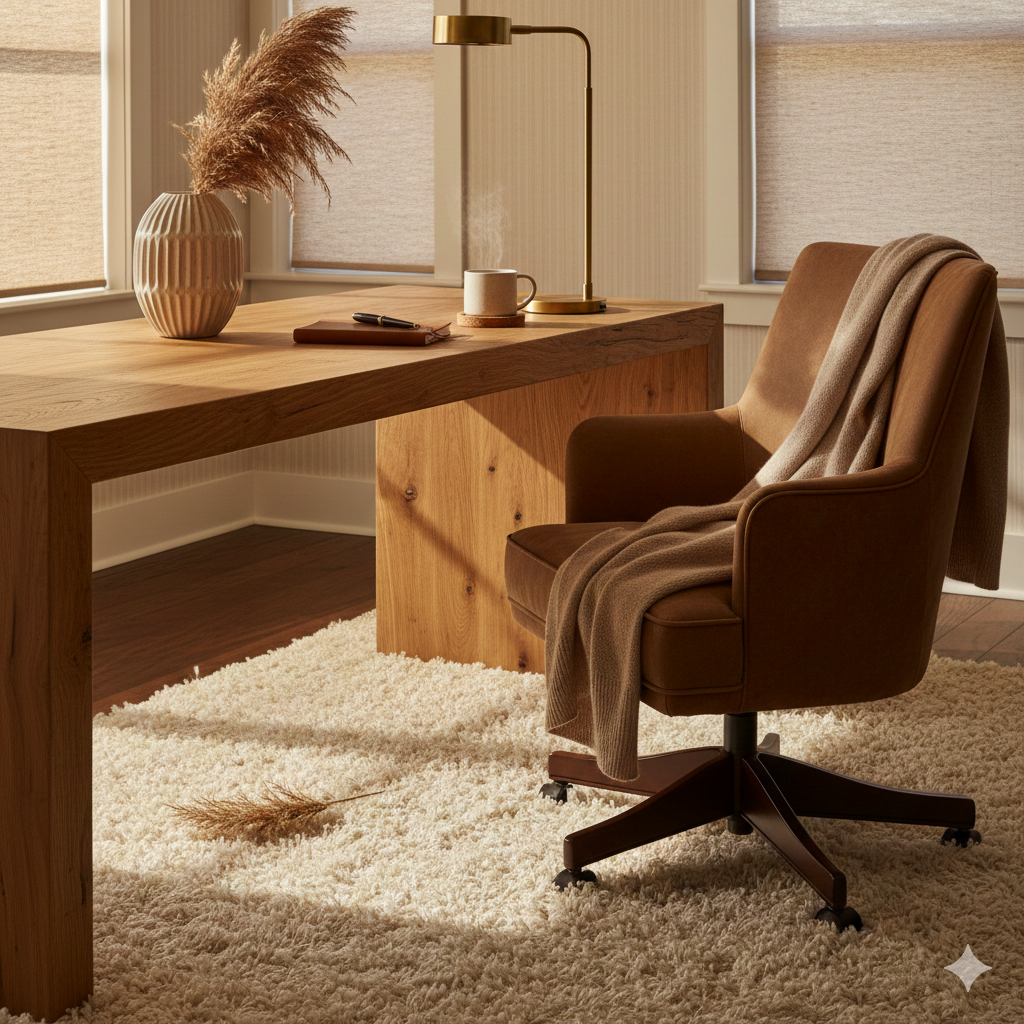
Japandi design balances minimalism with warmth. Adding texture prevents the space from feeling sterile.
- Rugs: A jute or wool rug adds tactile comfort.
- Bedding and cushions: Linen, cotton, or bamboo textiles are soft and breathable.
- Decorative elements: Wooden frames, ceramic vases, and woven baskets create visual interest.
Our article on warm interiors offers more ideas for adding coziness without clutter.
Step 6: Incorporate Greenery
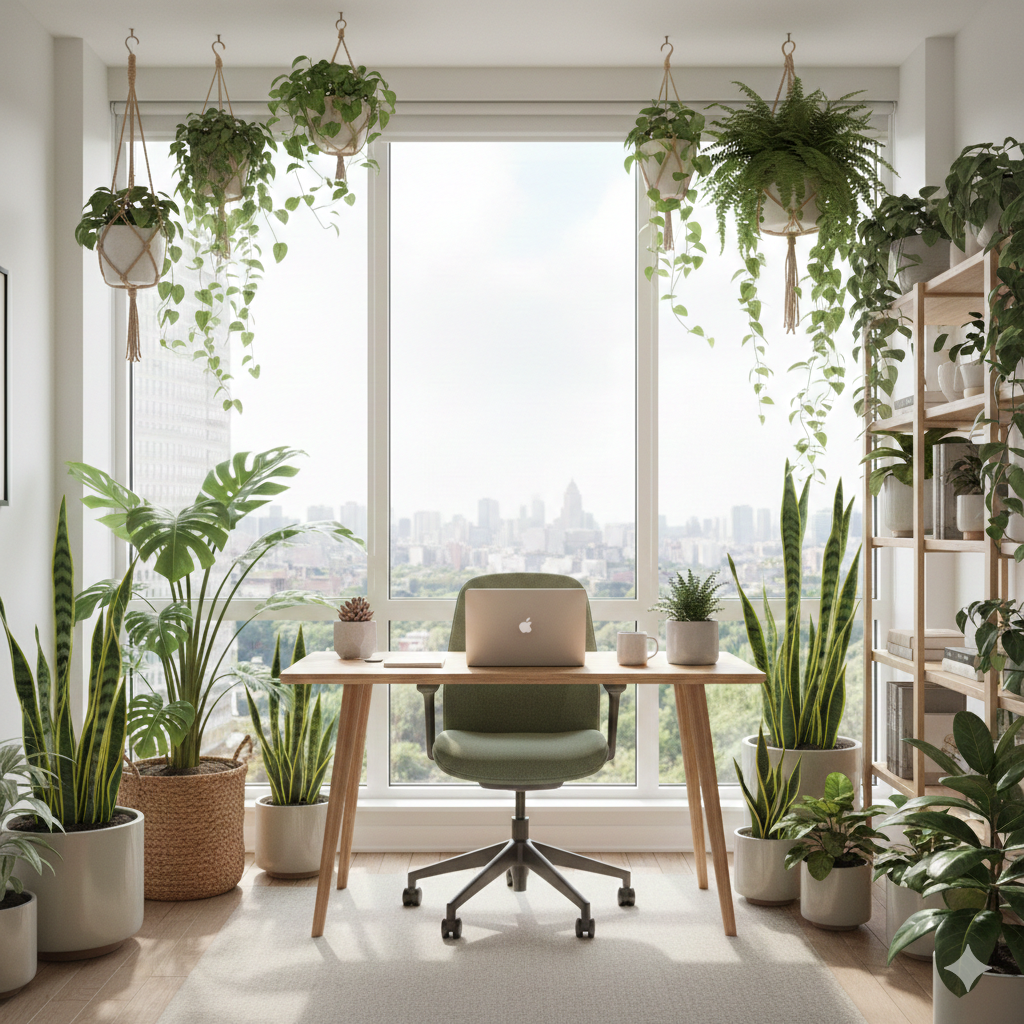
Plants bring life, purify the air, and align with Japandi’s natural ethos. Even a small plant can make a noticeable difference.
- Low-maintenance plants: Snake plants, pothos, and succulents thrive indoors with minimal care.
- Placement: Position plants near windows or in corners to soften edges and add dimension.
For creative plant placement ideas, check our Japandi guest room guide.
Step 7: Minimalist Decor and Wall Art

In a Japandi space, decoration is selective. Less is more, but the right pieces can elevate the aesthetic.
- Wall art: Choose simple, framed prints or monochromatic art. Avoid overcrowding walls.
- Decor accents: Minimalist vases, bowls, or candles enhance the ambiance.
- Functional decor: Clocks, organizers, and shelves that blend into the room’s style provide both beauty and utility.
You can explore creative decor ideas in our room decoration and office decoration posts.
Step 8: Maintain Organization and Clutter-Free Surfaces
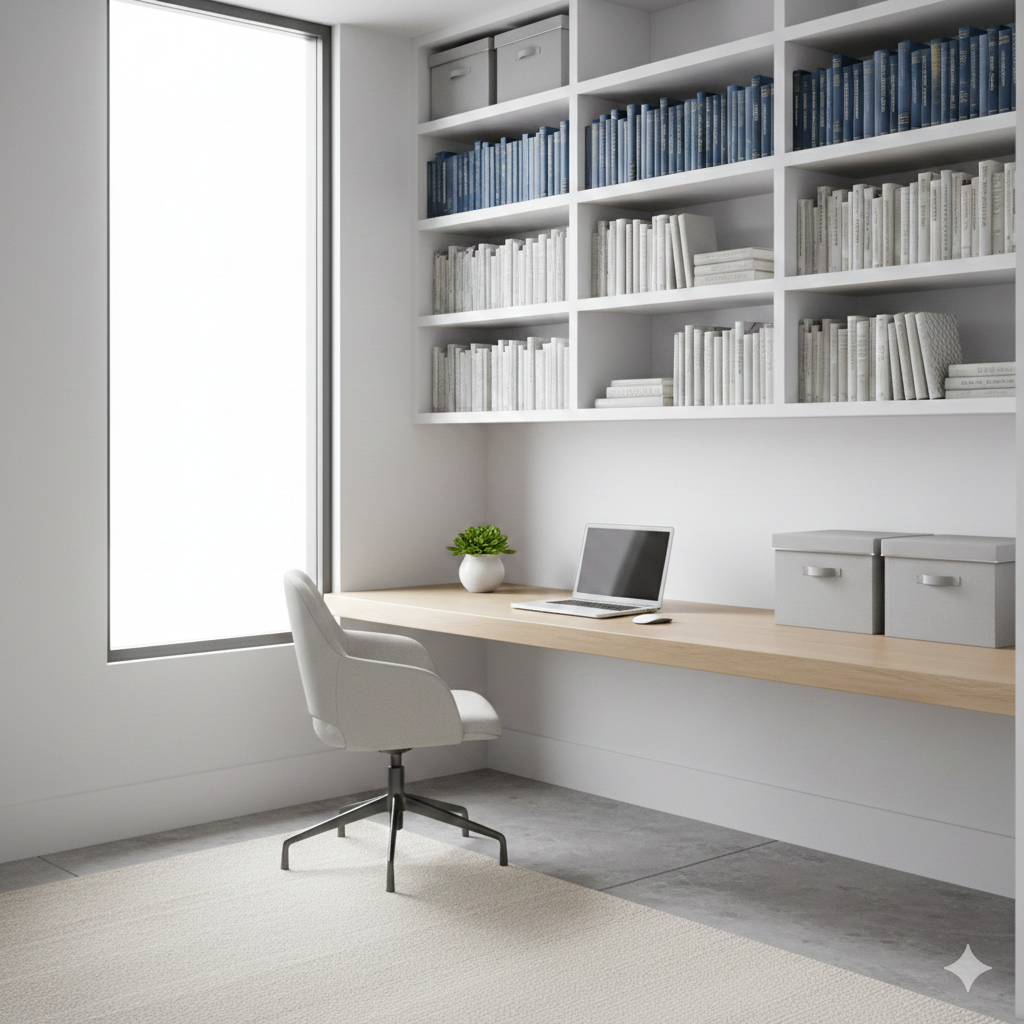
Organization is key in a dual-purpose room. A cluttered space can hinder both work and relaxation.
- Storage bins and baskets: Keep items like stationery, cables, and guest essentials out of sight.
- Cable management: Use cable trays or clips to maintain a clean workspace.
- Routine tidying: Encourage a daily five-minute tidy-up to maintain a serene atmosphere.
Our guide on small spaces on a budget provides clever solutions for maximizing storage efficiently.
Step 9: Introduce Personal Touches
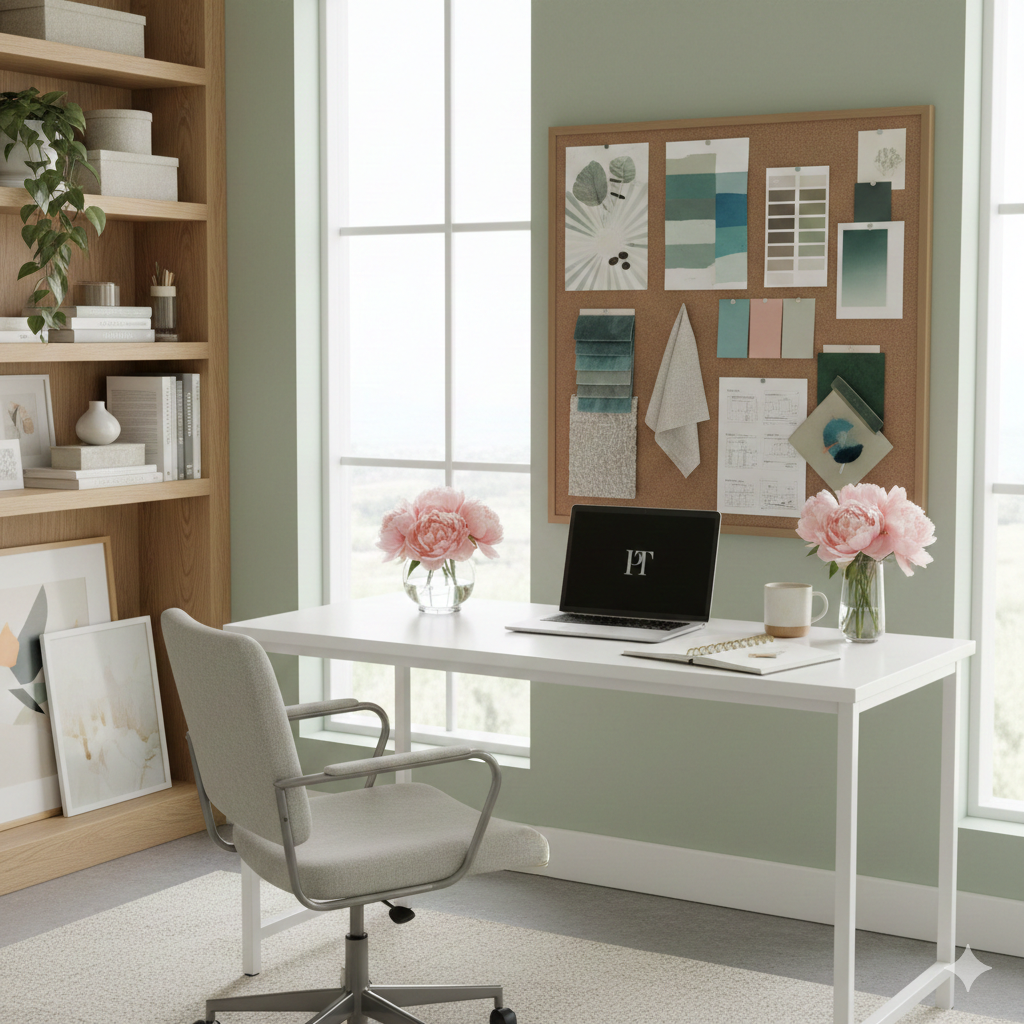
Even a minimalist space benefits from personality. Personalized touches make the room welcoming to both guests and yourself.
- Artwork: Rotate small prints or framed photos that align with the Japandi aesthetic.
- Books and journals: A curated selection on a shelf adds warmth and utility.
- Seasonal accents: Swap cushions or throws for different seasons to keep the space dynamic.
For inspiration on cozy corners, visit our cozy corner ideas.
Step 10: Final Touches for Functionality and Comfort
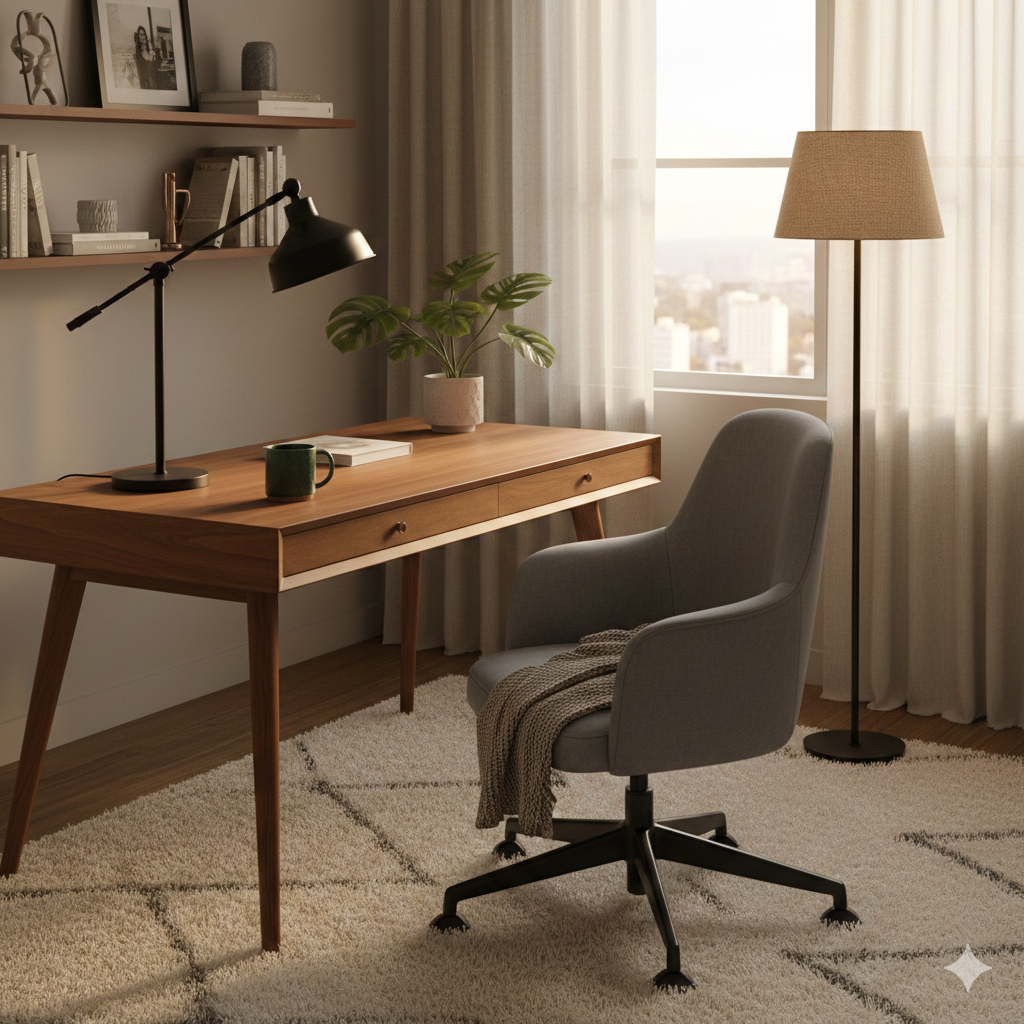
The final touches ensure the room is functional and inviting:
- Temperature control: Ensure adequate ventilation or add a small heater/fan.
- Guest amenities: Provide essentials like extra blankets, slippers, or a small tray for beverages.
- Ergonomics: Comfortable seating and proper desk height support productivity during work hours.
When these elements come together, your home office Japandi guest room becomes a seamless blend of style and practicality.
Bonus Tips for Enhancing Your Japandi Guest Room Office
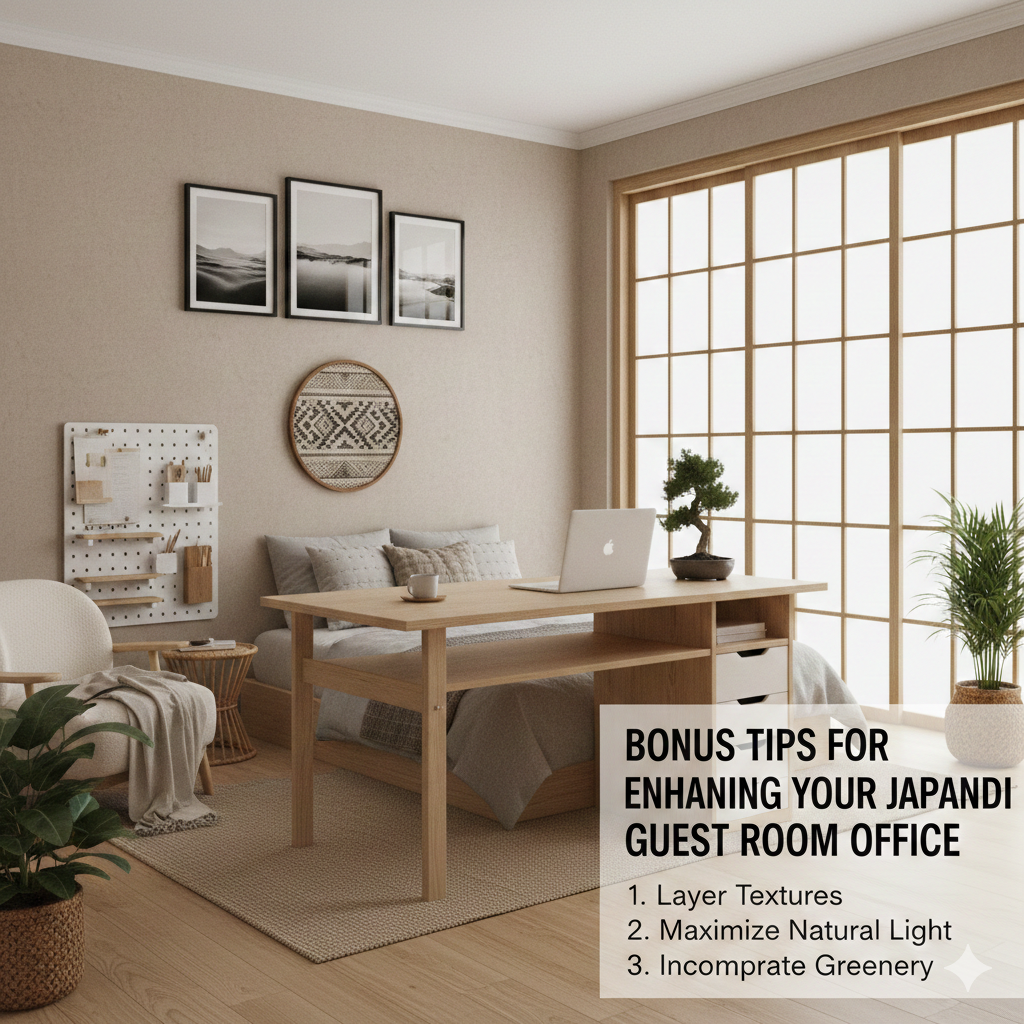
- Use sliding doors or screens: A shoji-style screen can separate the workspace from the sleeping area, maintaining privacy without closing off space.
- Incorporate mirrors: Strategically placed mirrors make the room appear larger and brighter.
- Neutral tech integration: Choose technology that blends with the room’s aesthetic, like muted-colored laptops, chargers, and cable organizers.
- Scents and ambiance: Light a subtle candle or use essential oil diffusers for a calming atmosphere.
For more ideas on instantly warming up your home, explore home cozy instantly.
Conclusion
Creating a home office Japandi guest room requires a balance between functionality and aesthetics. By focusing on minimalist furniture, natural materials, neutral colors, and clever zoning, you can transform a single room into a versatile haven for work and rest.
Japandi design ensures that every element—furniture, lighting, decor, and storage—contributes to a peaceful, clutter-free environment. Whether hosting guests or focusing on work, this style promotes calm, efficiency, and comfort.
To continue your design journey, check out related posts on guest room design ideas and Japandi guest rooms for inspiration on creating a space that’s both functional and serene.
Invest in your home, and you’ll discover that a thoughtfully designed dual-purpose room is more than a convenience—it’s a sanctuary.